Liter[r]a – Literary translation masterclass
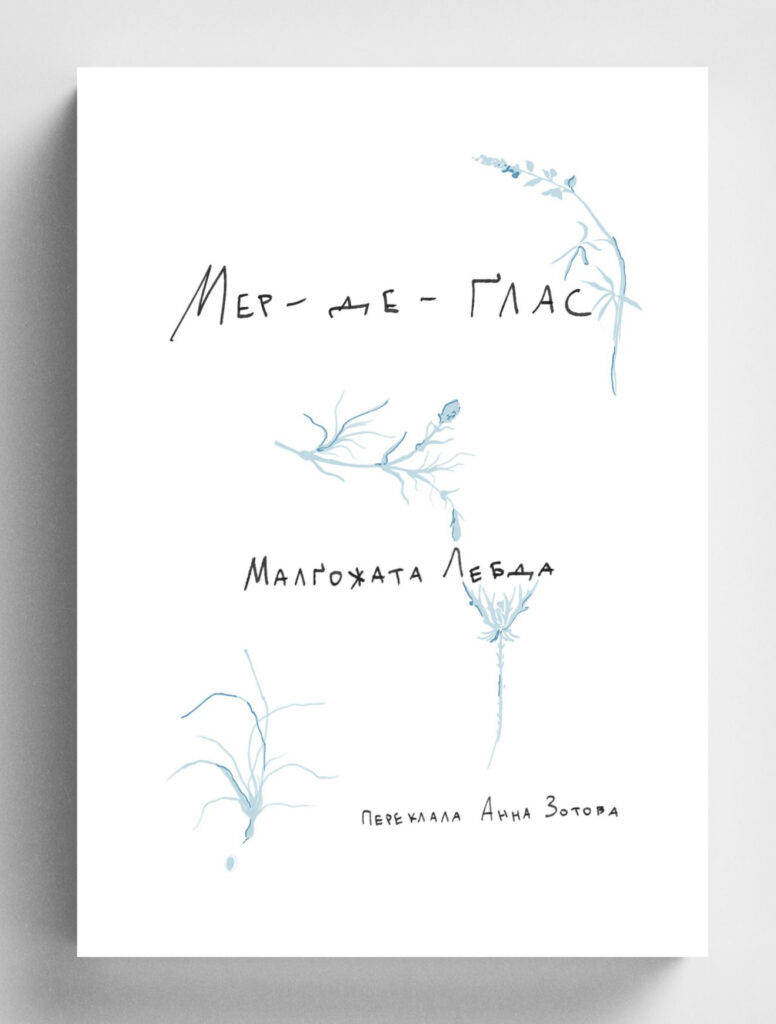
Led by Małgorzata Lebda and Anna Zotova, Mer de Glace (2026, Krok)
Date and time: 10.09.2026, 9:50 am–1:10 pm
Venue: Faculty of Philology of the Ivan Franko National University of Lviv
room 312, Universytetska St, 1, Lviv, L’vivs’ka oblast, Ukraine, 79000
Registration through the office of the Department of Polish Philology
Liter[r]a – Authors’ meeting with Małgorzata Lebda and Anna Zotova, Mer de Glace
Part of the Translation as a Practice of the Future cluster, Lviv International BookForum Festival
Date and time: 10.09.2026, 3:30 pm
Venue: Культурний Хаб Південь/Pivden Cultural Hub,
Ярослава Стецька 11 (Stetska 11), Lviv
https://program.bookforum.ua/

Małgorzata Lebda – poet and writer. Ultramarathon runner. She was born and brought up in a hamlet in the Beskid Sądecki mountains. She currently lives in a country house amongst the meadows of the Sejny region, on the north-eastern edge of Poland, with her husband and fifteen animal companions. She is the author of seven collections of poetry. In 2022, she received the Wisława Szymborska Prize for her collection Mer de Glace (2021). The collection was published in the Italian translation by Linda Del Sarto (Valigie Rosse, 2024), in Serbian – by Biserka Rajčić (Treći Trg, 2026), in English – by Mira Rosenthal (Fitzcarraldo Editions, 2026), and now also in Ukrainian – by Anna Zotova (Krok, 2026). Danish, Spanish, Lithuanian and Swedish editions are forthcoming. She has recently published the poetry collection Dunaj. Chyłe pola (2025), awarded the Kościelski Foundation Prize. In 2021, she ran 1,113 km from the source of the Vistula River in the Beskids to its mouth on the Baltic Sea as part of the poetic and activist project ‘Water Reading’.
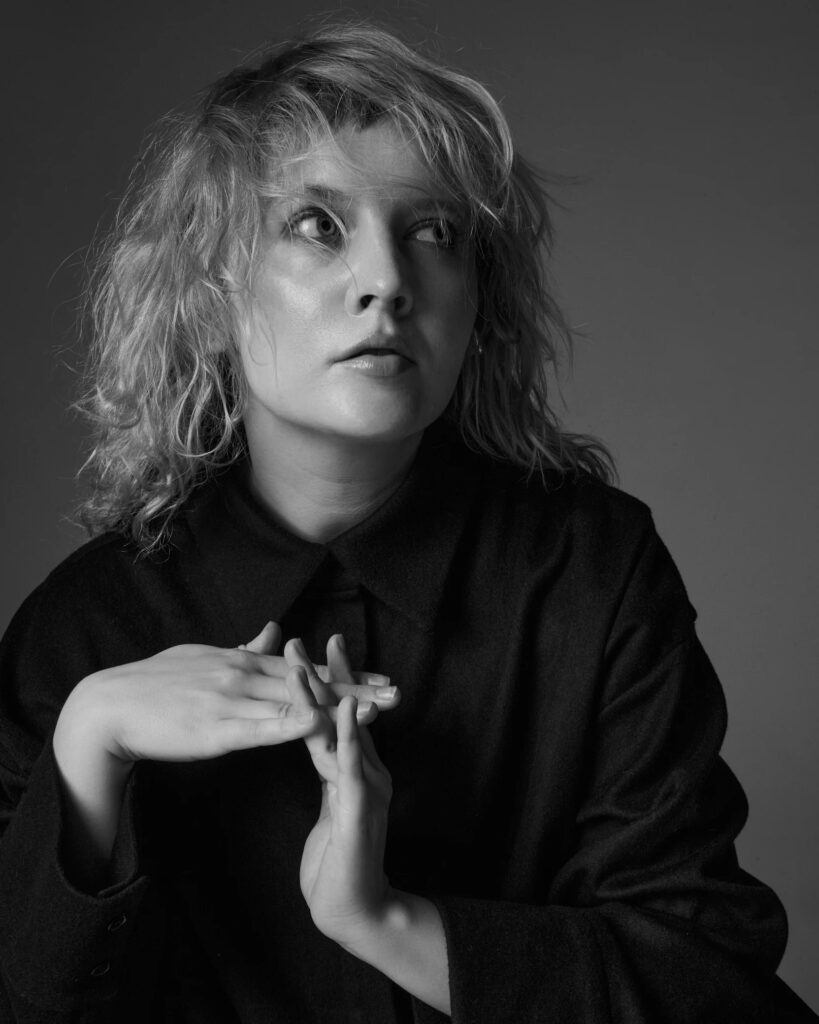
Anna Zotova – a translator of contemporary Polish poetry, a poet and a games localiser. She is the author of the Ukrainian translation of Małgorzata Lebda’s poetry collection Mer de Glace (Krok, 2026). In her translation practice, she focuses on independent, experimental and counter-cultural voices in contemporary Polish poetry. She has translated works by e.g. Konrad Góra, Przemysław Suchanecki, Michał Mytnik, Joanna Bociąg, Emilia Konwerska, Jerzy Jarniewicz and Filip Zawada. She graduated in Polish Studies and Translation Studies from the Lesya Ukrainka Volyn National University, and in Polish Philology from the Jan Długosz University in Częstochowa. She is a fellow of international residency programmes run by the Wisława Szymborska Foundation in Poland and the Genshagen Foundation in Germany. She works with brands as a narrative strategist, creating communication concepts. She grew up by Lake Świtaź, amidst lakes and forests; consequently, nature and the elements hold a special sacred significance for her, forming the centre for both the poetry she writes and that which she translates. She lives and works in Kyiv.
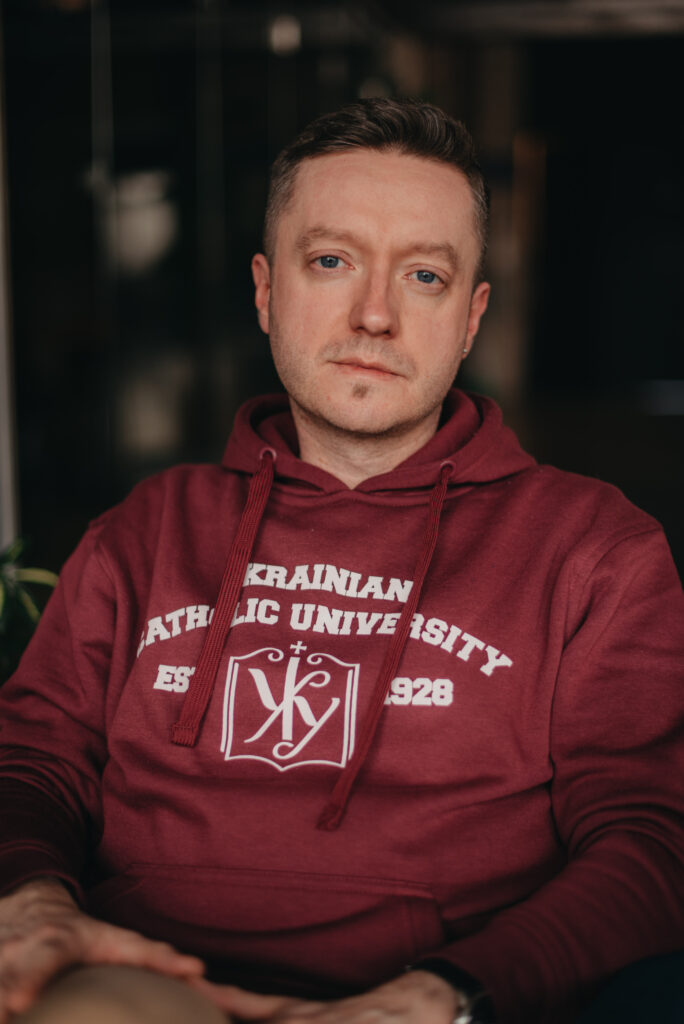
Ostap Slyvynsky – a Ukrainian translator, poet, essayist and literary scholar. He is the author of five collections of poetry and his poems have been published in the United States, Germany, Poland, the Czech Republic, Bulgaria, North Macedonia and Latvia.
He translates Polish, English, Bulgarian, Macedonian and Belarusian literature into Ukrainian, including works by authors such as Georgi Gospodinov, Hanna Krall, Czesław Miłosz, Jacek Podsiadło, Tadeusz Różewicz, Andrzej Stasiuk, Charles Simic, Goce Smilevski, Marcin Świetlicki, James Tate, Olga Tokarczuk, Derek Walcott and William Carlos Williams. He has received numerous awards for his work as a translator and his contribution to culture, including the UNESCO City of Literature Award (Lviv, 2020) and the Medal for Merit to Polish Culture (2014). In 2024, he was nominated for the Derek Walcott Prize for poetry. He lives in Lviv, Ukraine.
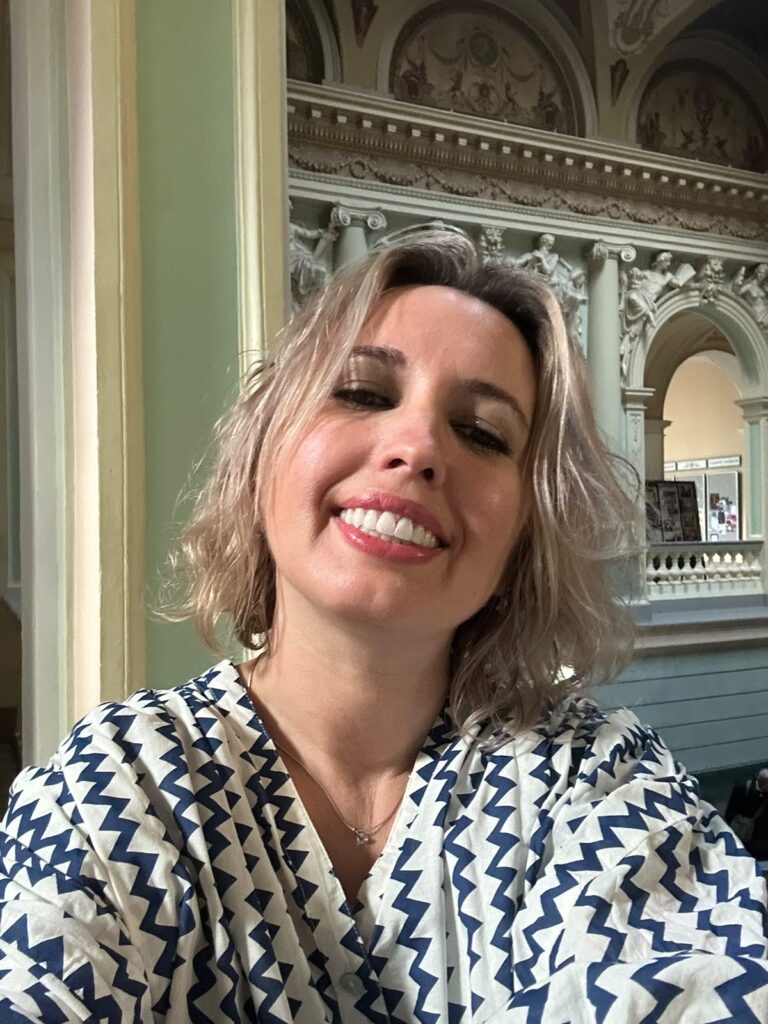
Olesya Nakhlik – a literary scholar and comparatist, works at the Department of Applied Linguistics at Lviv Polytechnic National University. Author of The Ukrainian Cultural and Axiological Reception of 20th-Century Polish Literature(1991–2018) (Lviv 2022) and over 40 publications on the specific nature of the Ukrainian reception of contemporary Polish literature. Winner of the 11th Jerzy Giedroyc Competition for her doctoral thesis (Embassy of the Republic of Poland in Ukraine).